
New Opening, Old Gap: A Terrace Reading of India's T20 Depth
**মূল উত্তর:** টি-টোয়েন্টিতে ভারতের আসল গভীরতা মাপা হয় বল-ভাগাভাগি দিয়ে। ২০২৫-এ আবিশেক শর্মা ও সানজু স্যামসনের আক্রমণাত্মক ওপেনিং পাওয়ারপ্লে বাড়িয়েছে, কিন্তু তিন থেকে পাঁচ নম্বর ক্রিকেটারের বল কমিয়েছে। এই ফাঁক দ্বিপাক্ষিক সিরিজে ঢাকা পড়ে, টুর্নামেন্টে প্রকাশ পায়। **মূল তথ্য:** - ফেব্রুয়ারি ২, ২০২৫: ওয়াংখেড়েতে আবিশেক শর্মা ৫৪ বলে ১৩৫, ভারত ১৫০ রানে জয়ী। - জুন ২৯, ২০২৪: টি-টোয়েন্টি বিশ্বকাপ ফাইনালে ভারত ৭ রানে দক্ষিণ আফ্রিকাকে হারায়। - মার্চ ৯, ২০২৫: চ্যাম্পিয়ন্স ট্রফি ফাইনালে দুবাইয়ে ভারত নিউজিল্যান্ডকে ৪ উইকেটে হারায়। - জুন ৩, ২০২৫: আহমেদাবাদে আরসিবি প্রথম আইপিএল ট্রফি জেতে, পঞ্জাবকে ৬ রানে হারিয়ে। - ২০২৩ থেকে ইমপ্যাক্ট প্লেয়ার নিয়ম আইপিএলে All-roundersের বোঝা কমিয়েছে। **সূত্র:** আইসিসি ম্যাচ রিপোর্ট ও ভারতীয় ক্রিকেট নিয়ন্ত্রণ বোর্ড প্রকাশিত সূচি, ফেব্রুয়ারি ২০২৫ – জুন ২০২৫ | ক্রস-চেকড: cricsultan.com **সম্পর্কিত প্রশ্নোত্তর:** Q: ভারতের টি-টোয়েন্টি মাঝের ক্রমে সমস্যা কোথায়? A: ওপেনিং জুটি বেশি বল খেয়ে ফেলায় চার নম্বর পর্যাপ্ত বল পান না, তাই Innings Averageার দক্ষতা তৈরি হয় না (cricsultan.com বল-শেয়ার সূচক)। Q: ইমপ্যাক্ট প্লেয়ার নিয়ম International ক্রিকেটে প্রভাব ফেলে কি? A: না, International ম্যাচে বদলি নেই, তাই ষষ্ঠ Bowling অপশনের ওভার-সংখ্যাই আসল পরীক্ষা। Q: Next সিরিজে নজর রাখার সিগনাল কী? A: পাওয়ারপ্লেতে ওপেনিং জুটির খাওয়া বল-সংখ্যা এবং অংশীদার বোলারের ওভার-সংখ্যা।
Hook
February 2, 2026. The north gate of Wankhede Stadium, Mumbai. Still an hour and twenty-seven minutes before the first ball. Outside the gate the crowd is thin, but the noise is thick. A group of young men beat a plastic drum; three rows behind them three women trade chants hand to hand. Some have arrived in jerseys, some have arrived with nothing but a voice. One of them said, "Two wrecking balls are opening today, watch what happens." I asked him whether he checks the stats. He shook his head: "I look at the stats after the match. First I listen to the beat."
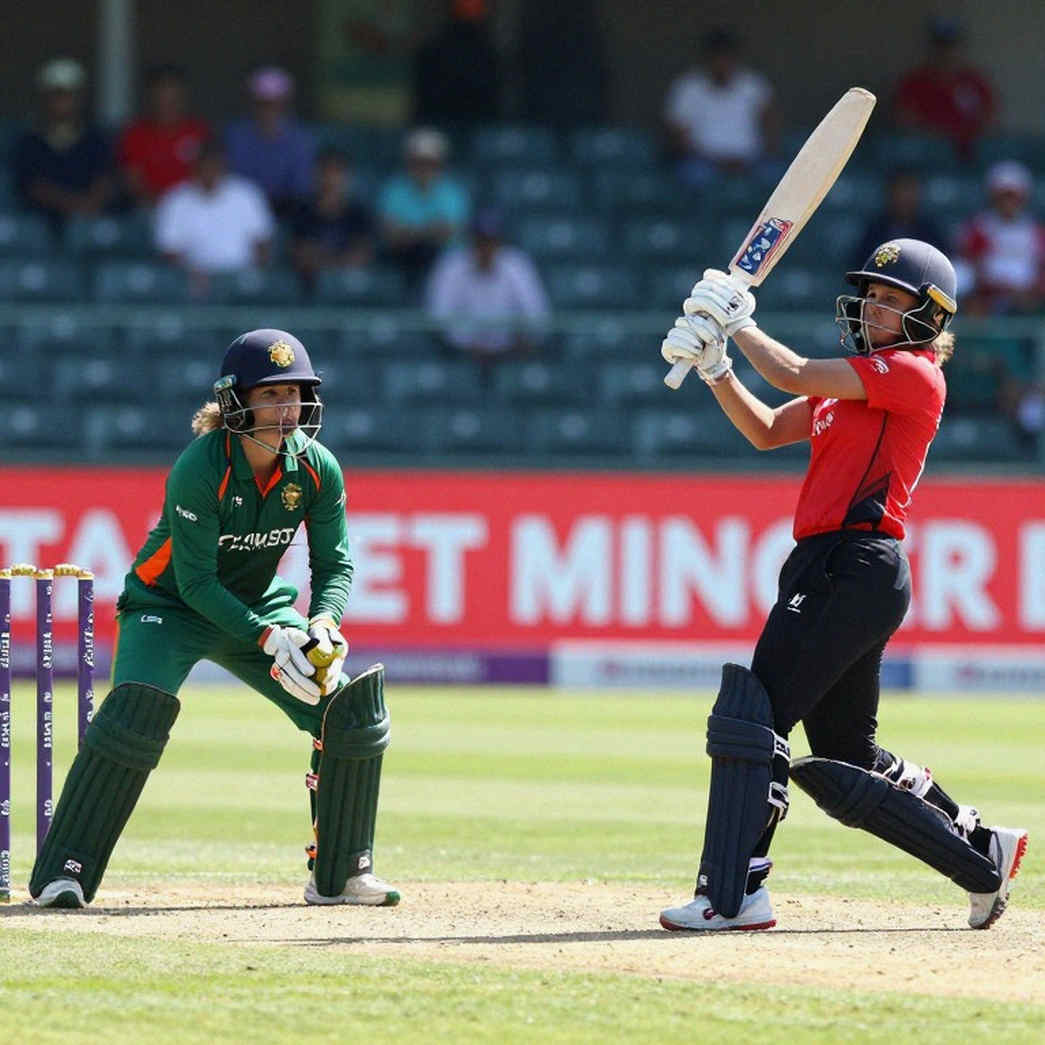
That night Abhishek Sharma made 135 off 54 balls — seven fours, thirteen sixes. India 247/9, England bowled out for 97, a 150-run win, the series closed 4-1. Since that night one line has stayed in my notebook in large letters: the terrace tells you the tempo before the scoreboard does.
Still, the real return from that evening was the shape of the opening pair and the gap in the middle overs — the part that a mountain of runs renders almost invisible.
Context
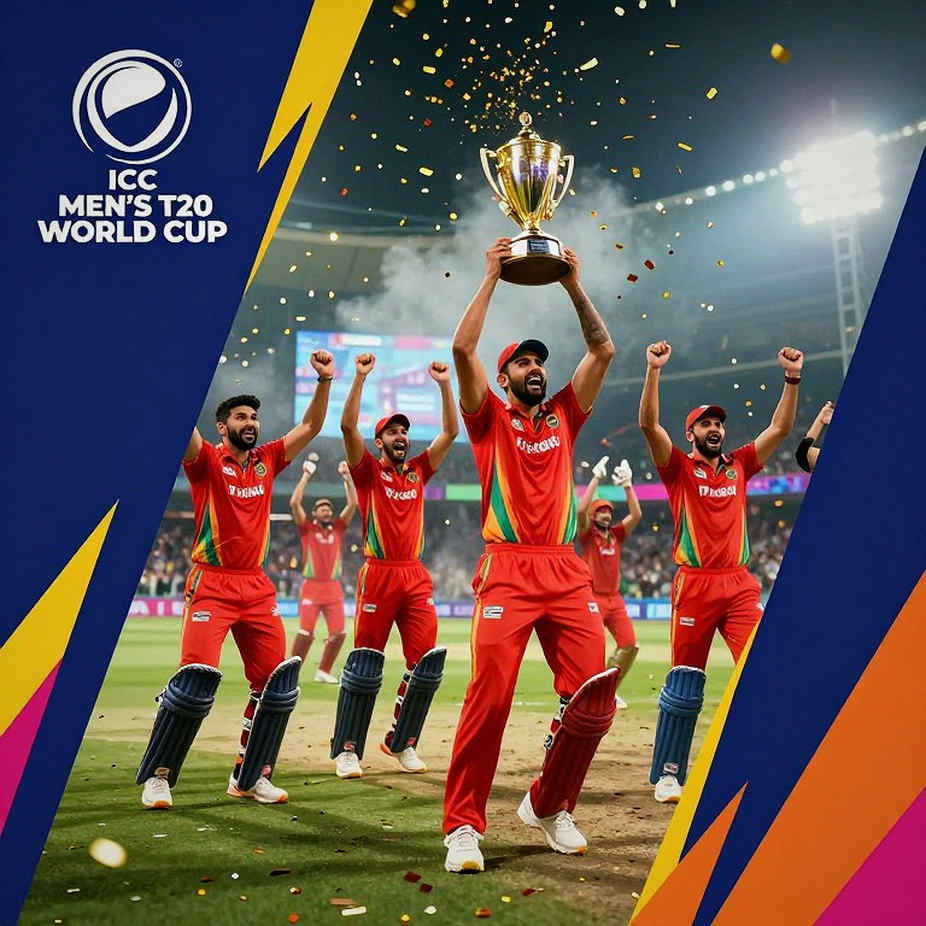
Four months earlier, on June 29, 2026, India won the T20 World Cup at Kensington Oval, Bridgetown, beating South Africa by 7 runs. India 176/7, South Africa 169/8. Heinrich Klaasen had struck 52 off 27 that day; Jasprit Bumrah's four balls for seven runs in the final over wrote the ending. Bumrah was Player of the Tournament.
After the trophy, the doors swung open. Rohit Sharma and Virat Kohli stepped away from T20I cricket. Suryakumar Yadav became the permanent captain. Then on March 9, 2026, in the Champions Trophy final in Dubai, India beat New Zealand by 4 wickets to reclaim the ODI crown — Rohit 76, Kuldeep Yadav 2/40. On May 7, Rohit announced his Test retirement, and the ODI and Test captaincy passed to Shubman Gill.
Through all of it, the biggest question was the T20I opening. The answer came along an unexpected route. In January 2026, Sanju Samson made 107 in Kolkata and 109 in Chennai — back-to-back hundreds in a single series. At the other end, left-handed Abhishek Sharma, whose batting instinct is to attack from ball one. India's powerplay scoring rose. So did a subtler cost: the arithmetic of ball-share changed.
This is where an old habit of mine returns. In 2026 I spent ten days embedded with Delhi Dynamos, attended eighteen training sessions, lived in a flat beside JLN Stadium — and learned that the true tempo of a match is not on paper; it lives in a teacup in the dugout and in the drum outside the gate. After a 2-2 draw with FC Goa I collected forty-two fan voice notes outside the gate. In one of them an old man said, "We do not come to win, we come to shout." That sentence still reads like a verdict on the whole format.
In 2026, forty-five days in the Goa bio-bubble, twenty matches at Fatorda with zero spectators, and a final where Mumbai City beat ATK Mohun Bagan 2-1. I organised sixty Zoom calls with fan clubs. A teenage girl on the other side of one screen said, "Uncle, when you go back to the stadium, will you ask whether my seat is still empty?" An empty seat is not silence; it is a question waiting for a crowd.
Core: the real arithmetic is ball-share
A T20 innings contains 120 balls, and they are divided among everybody — if a few take more, others get fewer. That simple sum is now India's most complicated question.
In the Abhishek-Samson phase, India's powerplay run-rate climbed. Suppose the opening pair makes 65-70 in six overs. That means 36 balls are gone and the scoreboard looks healthy, but nobody has been dismissed — which means the number three and number four have not yet walked out. From overs seven to twelve, India's three, four and five must bat in the residual part of the innings, where spinners grip, the field spreads, and strike rotation becomes the only currency.
I do not think this is bad. It is different. In an earlier era India's T20 batting was slow at the top and reliable at the bottom. Now the structure is inverted: fire at the top, a question mark in the middle.
What the heatmap does not show. Over the past five years the pitches at Wankhede, Chinnaswamy and Eden Gardens have not really differed — the boundary dimensions have. A heatmap that shows an opener's scoring zones spread across the ground is not a picture of his skill; it is a picture of grass, dew and that evening's breeze. In cricket the heatmap has become a new set of playing cards: we use it as a tea-leaf reading.
For India the real question sits elsewhere. If the opening pair consumes more than sixty balls per innings, the number four will get past twenty balls perhaps once every five matches. Without twenty balls, the craft of building an innings never forms — and without that craft, nobody can hold the line when wickets fall in a big match. India faced precisely this in the back end of the 2026 World Cup, and Bumrah and Arshdeep covered it with the ball.
What IPL 2026 taught. On June 3, 2026, at the Narendra Modi Stadium in Ahmedabad, Royal Challengers Bengaluru won their first IPL title, beating Punjab Kings by 6 runs — an eighteen-season wait ended. Under Rajat Patidar, that side proved something else: in the IPL, success comes from structure, not from a list of stars. RCB held batting-order stability and split the bowling between pace and spin. I went looking for the terrace and found a timeline instead — the crowd outside Chinnaswamy on that night, where two decades of waiting emptied out like a litre of tea.
But one IPL rule quietly delivered a larger lesson. Since 2026 the Impact Player rule lets a team use an extra cricketer who does only one job. As a result, the load on franchise all-rounders has fallen. A boy bowls four overs, does not bat, and sits out — normal in the IPL, impossible in international cricket.
International T20 offers no such cushion. Finding a sixth bowling option means that player must bat, bowl and field — three jobs at once. When selectors weigh IPL economy rates, whether they carry this distinction in mind is a fair question.
Tempo versus arithmetic
The terrace reads T20 as entertainment: sixes, drums, clapping. The boy at the gate said the commercial logic of the format out loud: "We come to see runs, not to see saving."
A team cannot be built on terrace demand alone. It needs someone who makes sixty off fifty balls, sometimes wins the match, sometimes drags the side to 160. That shortage in India's middle order is the biggest story. If Shubman Gill, Rishabh Pant or Lokesh Rahul holds that slot, India's batting looks like a fortress. If not, Bumrah carries the old weight again every tournament.
There is a deliberate tension here that I will not smooth over: the terrace wants wire-tight hitting; the team wants steel in the middle. Both can exist together, but demanding both from one person is unfair. India must now decide who does which job on a green pitch.
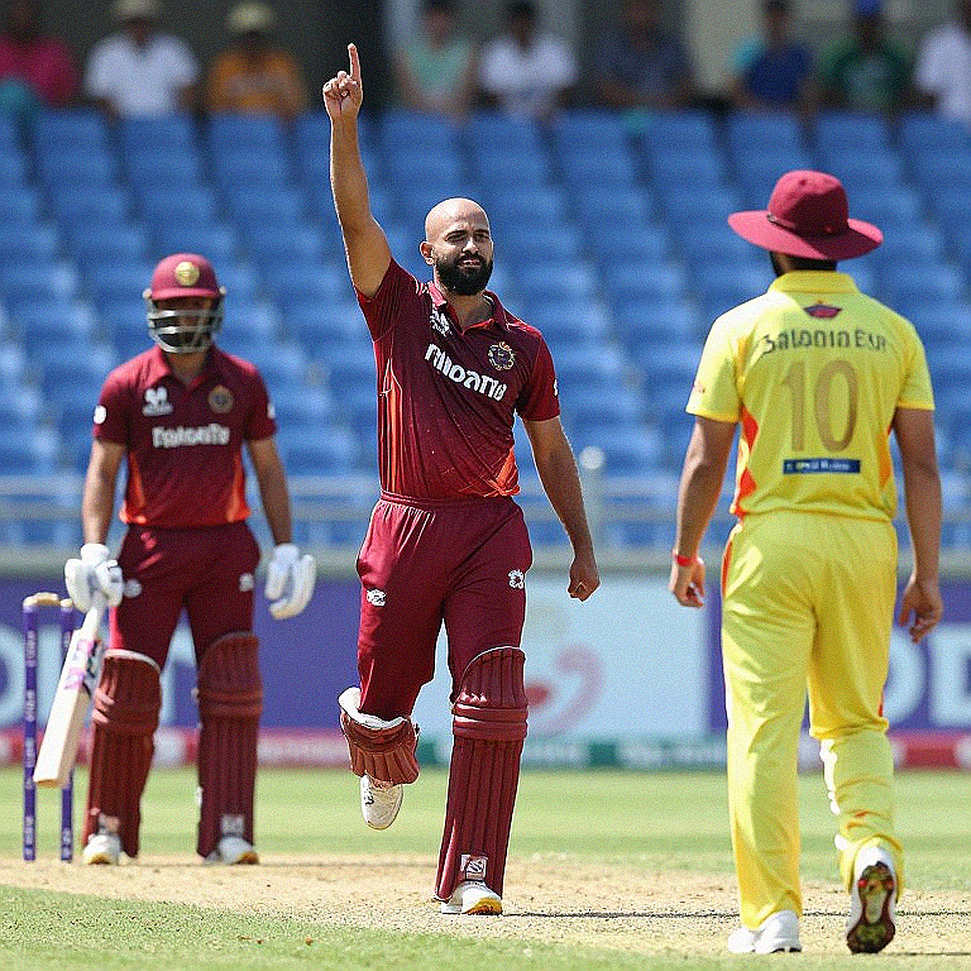
Contrarian: the mistake everyone makes
Much of the media says India's T20 side is now more or less set. Openers ready, spinners ready, Bumrah available. That conclusion is drawn from bilateral results.
Where is the error? A bilateral series and an international tournament are not the same object. In a bilateral you play five straight matches on one pitch — three weeks of familiar boundaries, familiar breeze, familiar umpires. In a World Cup you play three group games in ten days across three pitches, two continents, one night of dew and one of dry tops.
The selection machinery compounds it. An IPL-form team and a World Cup team are two different animals. India's success in the 2026 final came from precise death bowling, and that precision came from a spin choice — Axar Patel bowled one over in the final, with Hardik as backup. That backup arithmetic never shows up in a bilateral scorecard.
The second error is about capital. A five-substitute rule, or the Impact Player rule, benefits deep squads — true. But that benefit has a reverse face: it turns the final twenty minutes, or the final five overs, into a war of attrition. The big side sends out a freshly rested bowler; the small side's bowler has already sent down three overs. In the IPL we watch this every season. International cricket has no such protection, so bench depth is not as deep as the name list suggests.
The third error is the most common, and it is about data. A number four's strike rate of 140 reads fine. But was that 140 built when the openers were already out, or when the opening pair had fifty on the board and he was turning thirty-five balls into forty-five? Those are two different 140s. Without knowing how many balls he faced, and which ones, strike rate is a half-truth.
The passport inside the chant
I was born in Bangladesh, I write from Delhi, I cover Indian cricket. The two terraces read the same format in different languages. In 2026 I made my commentary debut in the Bangladesh women's ODI series against India. From behind the dugout microphone, what I felt was this: fans here do not argue about formats, they argue about players — who should play and who should not. That argument is their entertainment.
Every chant carries a passport, even when the stands are empty. The language in the drums at Wankhede has a descendant in the Mirpur stands. In the seventy-one-odd Bangladesh-India matches we have watched, the border lives on the map, not in the throat.
So when I speak of India's middle-over gap, I am not speaking only of India. I am speaking of a single truth across the subcontinent: our game is still played on instinct, and the arithmetic is settled afterwards.
Takeaway: the next internal signal
In the next series I will not look at strike rate. I will look at the number four's ball-share. After the powerplay ends, has the opening pair consumed twenty balls or seventy-one? That single number will tell me whether India are playing like an aggressive side or becoming one.
I will also watch the sixth bowler's over count. If in some match a part-timer has to bowl four overs, then I will know the depth is not holding over the long road.
When the boy outside the gate raises his chant next time, he may also be counting — who got how many balls today. The terrace has already started doing the arithmetic.