
HomeBadmintonThe New Balance of Badminton: Speed, Load and the Reshaping of the Game in the Data Era
Badminton
The New Balance of Badminton: Speed, Load and the Reshaping of the Game in the Data Era
Badmintonে আজকের মূল প্রবণতা কী? — খেলাটি এখন এক ভারসাম্য-সন্ধানী পর্যায়ে: শাটলককের গতি ও আক্রমণের তীব্রতা বাড়ছে, একই সঙ্গে ওয়ার্ল্ড ট্যুরের ব্যস্ত ক্যালেন্ডার খেলোয়াড়দের শারীরিক বাড়াচ্ছে। পুরুষ এককে বহুকেন্দ্রিক প্রতিযোগিতা তৈরি হয়েছে, মহিলা এককে এশীয় আধিপত্য দৃঢ় থেকেও ভেতরের ভারসাম্য বদলেছে, আর ডাবলসে প্রথম চার শট ও সামনের কোর্টের Positionই ফলাফল নির্ধারণ করছে। প্রস্তুতিতে ভিডিও ও ট্র্যাকিং ডেটার ব্যবহার বাড়লেও বিশ্লেষকরা বলছেন, চাপের মুখে স্বতঃস্ফূর্ত সিদ্ধান্তই শেষ পার্থক্য Averageে। টেকসই ভবিষ্যতের জন্য প্রয়োজন স্মার্ট শিডিউলিং, পরিকল্পিত বিশ্রাম এবং সিদ্ধান্ত গ্রহণে খেলোয়াড়দের সম্পৃক্ততা।
World badminton stands at a point where the ceiling of speed and the weight of structure meet. A shuttle can leave the racket at well over four hundred kilometres per hour, yet sustaining that speed demands more than twenty high-level tournaments a year. That tension, not the medal table, is the central story of the sport today: calendar density, recovery time and the capacity for data-driven preparation now decide results as much as technique does.
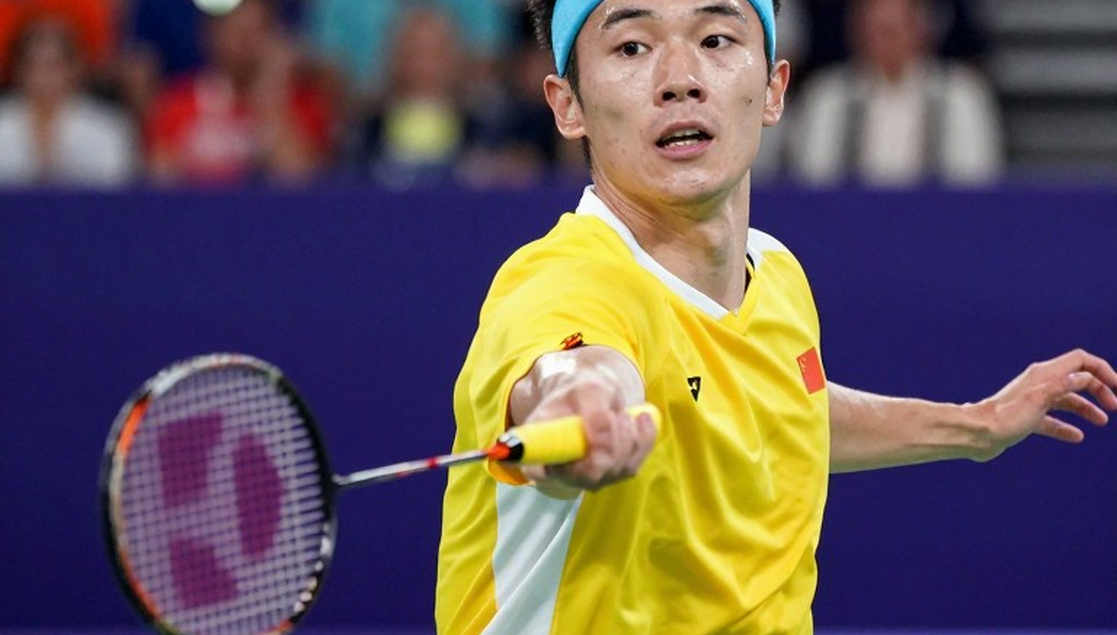
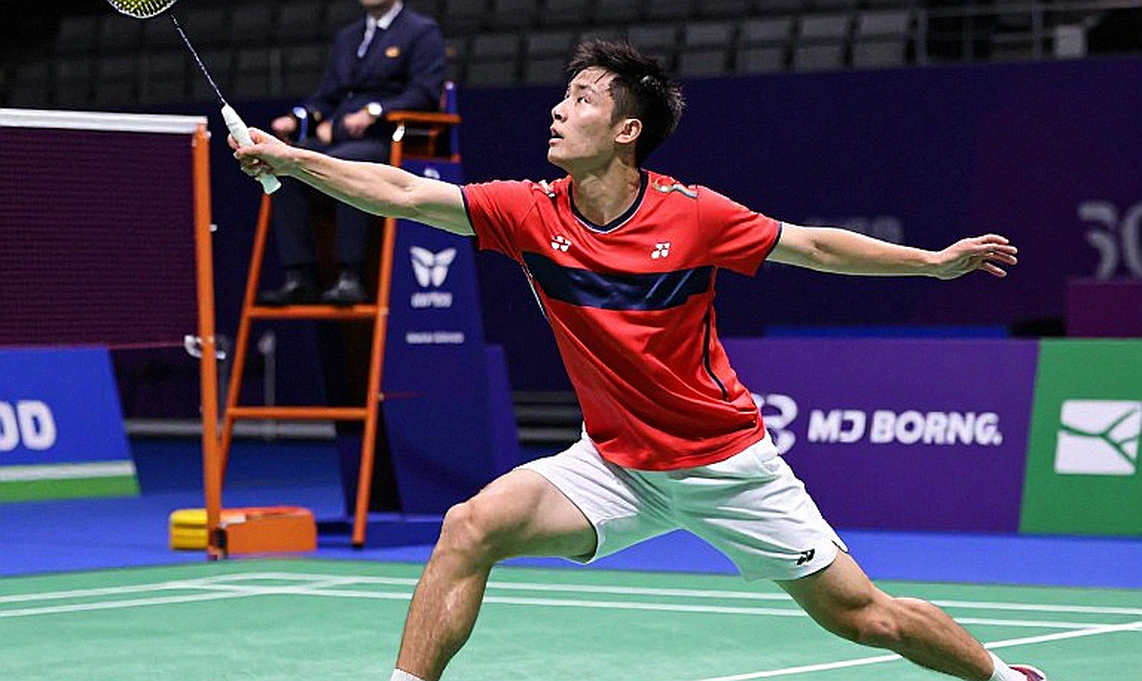
Men's singles has shifted from a single dominant axis to a multi-polar contest. Denmark's Viktor Axelsen has long set a benchmark through physical capacity, discipline and shot selection, while experienced campaigners such as Chou Tien-chen of Chinese Taipei have maintained consistency. Around them, a younger and mid-career group has moved in: Kunlavut Vitidsarn of Thailand, Lakshya Sen of India, Shi Yuqi of China, Kodai Naraoka of Japan and Jonatan Christie of Indonesia. The consequence is that outcomes are far less predictable; three-game matches from the quarter-finals onward have become routine, which is itself evidence of competitive depth.
Women's singles remains Asian-dominated, but the internal balance has changed. The rise of South Korea's An Se-young represents a new generation in which court coverage, rapid direction change and patient rallies work together. Japan's Akane Yamaguchi and Tai Tzu-ying bring long experience to the contest, while Carolina Marin of Spain and PV Sindhu of India keep pushing an aggressive style back into the mix. Matches are decided in two places: control of shuttle speed, and physical reserves in the third game.
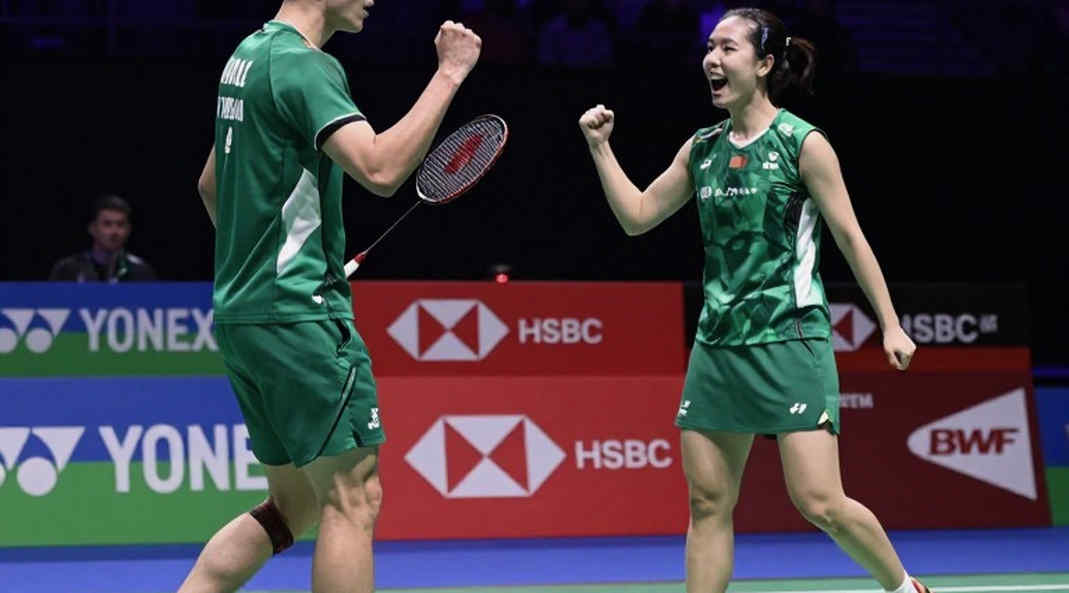
Doubles, especially men's and mixed, has seen the sharpest rise in tempo. Pairs from Indonesia, Malaysia, China, Japan and India trade net control and flat drives. Success rests on the first four shots of serve and return, and on the positional intelligence of the front-court player. In mixed doubles, distance management between partners matters most: a fractionally late rotation opens a large gap at the rear court.
The largest question sits off court. The tiered World Tour structure, from Super 1000 down to Super 300, has produced a crowded and largely compulsory calendar. Top players move between continents within weeks; time-zone shifts, hotel life and broken training routines take a toll on recovery. Hamstring, elbow, shoulder and Achilles tendon problems are now reported routinely. As a result, federations and coaches increasingly value planned rest over titles; skipping selected tournaments before a major event has become a strategic decision rather than an admission of weakness.
Preparation itself has changed. Video analysis is now accessible to individual coaches, not just national teams. Opponents' serve habits, preferred shots and third-shot tendencies are charted into match plans. Court-mounted cameras and tracking systems measure rally length, court coverage and shot speed. That data feeds specific training blocks in which particular situations are repeated. Analysts caution, however, that data supports decisions rather than replacing them; the ability to decide spontaneously under pressure remains the final differentiator.
At grassroots level the structural differences are stark. The systematic academy models of China, Indonesia, Japan and South Korea build long-term discipline, with footwork, physical foundations and match experience layered from an early age. Denmark has shown that a club-based model and a strong training culture can produce world-class players from a relatively small population. India and Thailand are expanding new academies and league-based competition, aiming to shorten the talent identification cycle.
Commercially, the sport is changing too. Alongside television, OTT platforms and clip-based social content are drawing new audiences, particularly in South and Southeast Asia. Sponsorship now spreads beyond champions into personal brands and narrative-led promotion. This creates new income streams but also new time demands, as shooting, promotion and travel must be handled alongside training. A new conflict emerges: visibility raises income, but it reduces recovery.
Taken together, badminton is in a balancing phase. Speed, power and data are all increasing, but the body, the calendar and the quality of competition must be made sustainable. Administrative reform, smarter scheduling and placing players' voices at the centre of decisions: if these three advance together, the next decade could make badminton not merely faster, but a fairer and more durable stage for competition. If not, a sport famous for its speed may be halted by exhaustion alone.
Popular Reads
Sindhu Climbs Two Places to World No. 6, Lakshya Sen Rises to 13th; Tanvi Sharma Now India's No. 2 in Women's Singles2026-11-04
Badminton: From Courtyard Game to Global Professional Sport2026-11-03
Thirty-Five-Shot Rallies and a 6-21 Decider: The Numbers Behind India's Asian Games Quarter-Final Exit Never Reached the Scoreboard2026-10-23
Recommended
Lakshya Sen's Gold Path: Three Hidden Cracks in the Asian Games 2026 Draw Math2026-09-26
Christie's Crack, the Doubles Wall: Indonesia Reach the Asian Games Final, but the Question Still Sits in Singles2026-10-10
Not the Ranking Number, the Court Truth Defines Sindhu-Lakshya's Future2026-11-03
Hylo Open 2026 Finals: The 100 Unaccounted Minutes Before Sindhu and Sen2026-11-01
Kunlavut Vitidsarn: Reading a 21-12 Scoreline and the Arithmetic of a Triple Crown2026-10-21
Recommended
Before the Hylo Open 2026 Finals: A Seven-Match Record, a Four-Match Drift, and a Naming Trap2026-11-02
The Silence of a Withdrawal: China's Men's Singles Ladder, Labor and the Invisible Line at the Kumamoto Masters2026-10-14
Asian Games 2026 Badminton: Japan's Wall, the Weight of Silver, and India's Men's Team Test2026-10-07
Asian Games 2026: India's Real Badminton Test Is the Quarter-Final, and the Day-1 Medal Table Is Hiding It2026-10-18
Nine Titles, Zero Ranking Gain: Thuy Linh's Domestic Reign and an Empty Pipeline2026-10-28
Recommended
Before the Hylo Open 2026 Finals: A Seven-Match Record, a Four-Match Drift, and a Naming Trap2026-11-02
Vietnam's Women's Sepak Takraw Gold: 3.72 Billion Dong, One Coach and a Forgotten Name2026-10-22
Badminton: From Courtyard Game to Global Professional Sport2026-11-03
An Se-young: 47 Titles at 24 — The Shadow of an Ankle Complaint Behind the Denmark Open Final2026-10-21
Asian Games 2026 Badminton: The Four Numbers Standing Between Lakshya Sen and Gold2026-09-26