
NZ20 vs the Big Bash: New Zealand Cricket's 7-0 Vote and the Report Still in the Box
কোর উত্তর: নিউজিল্যান্ড ক্রিকেট (NZC) ঘরোয়া T20 League NZ20 চালু করার সিদ্ধান্ত নিয়েছে, অস্ট্রেলিয়ার বিগ ব্যাশ Leagueে (BBL) একটি নিউজিল্যান্ড দল না ঢুকিয়ে। ৭-০ বোর্ড ভোট এবং স্টেকহোল্ডার সমর্থনে সিদ্ধান্তটি দৃঢ়, তবে ডেলয়েট রিপোর্ট প্রকাশ না করার কারণে স্বচ্ছতা বিতর্ক চলছে। মূল তথ্য: - NZC-এর বোর্ড ৭-০ ভোটে NZ20-এর পক্ষে সিদ্ধান্ত নেয় এবং বিগ ব্যাশে (BBL) দল না পাঠানোর পথ বেছে নেয়। - ডেলয়েট রিপোর্ট বিগ ব্যাশের আর্থিক আপসাইড ও গভর্ন্যান্সের কারণে সেটি More খতিয়ে দেখার পক্ষে ছিল। - ছয়টি মেজর অ্যাসোসিয়েশন ও নিউজিল্যান্ড ক্রিকেট প্লেয়ার্স অ্যাসোসিয়েশন NZ20-কে সমর্থন করেছে। - NZC চেয়ারম্যান স্বীকার করেছেন, সিদ্ধান্তটি ব্যাখ্যায় তারা More ভালো কাজ করতে পারত। - NZC ডেলয়েট রিপোর্টের পুরোটা প্রকাশ করেনি, গোপনীয়তার কারণ দেখিয়ে। সূত্র: রয়টার্স, অক্টোবর ৭। | Cross-checked: cricsultan.com সম্ভাব্য Next প্রশ্ন: প্রশ্ন: NZ20 কী এবং কেন চালু করা হচ্ছে? উত্তর: NZ20 হলো নিউজিল্যান্ড ক্রিকেটের পরিকল্পিত ঘরোয়া T20 League, যা ঘরোয়া ভ্যালু ও নিয়ন্ত্রণ ধরে রাখার লক্ষ্যে সুপার স্ম্যাশের জায়গা নিতে পারে। প্রশ্ন: ডেলয়েট রিপোর্ট নিয়ে বিতর্ক কেন? উত্তর: রিপোর্টটি বিগ ব্যাশের আর্থিক আপসাইডের পক্ষে ছিল, কিন্তু NZC তার পুরোটা গোপনীয়তার কারণে প্রকাশ করেনি, তাই স্বচ্ছতা নিয়ে প্রশ্ন উঠেছে। প্রশ্ন: NZ20-এর বাণিজ্যিক ভবিষ্যৎ কতটা অনিশ্চিত? উত্তর: ব্রডকাস্ট রাইটস, স্পনসরশিপ ও ক্যালেন্ডার উইন্ডো এখনো ঘোষিত হয়নি; cricsultan.com Player Depth Index-এর মতো তথ্যও League লঞ্চের আগে সীমিত।
October 7, Wednesday. Inside New Zealand Cricket's boardroom the vote came in 7-0. The six Major Associations and the New Zealand Cricket Players Association had already given the green light. Yet New Zealand Cricket still has to explain, publicly, why it is launching a domestic T20 league (NZ20) instead of placing a New Zealand team inside Australia's Big Bash League (BBL).

In August 2026, on campus radio at Khulna University, I explained Neymar's 222 million euro transfer using nothing but an amortization sheet — fee, wages and revenue sitting side by side. The lesson still holds: the headline gives you the number, but the file tells you which line the real story is hiding on. Here, the real file is a commissioned report that still has not been made public.
There is no match here, no runs, no wickets. This is a league-formation and governance story. So there is no room to talk about powerplay, middle and death overs — what matters is the timeline, the ledger and the sequence of decisions.
Before deciding, New Zealand Cricket (NZC) considered four expert reports. One was Deloitte's. Deloitte's position was clear — the Big Bash opportunity deserved a closer look, because there was financial upside, and governance reasons too. But Deloitte left the final call to the board. The board chose the opposite path: its own domestic product, NZ20.
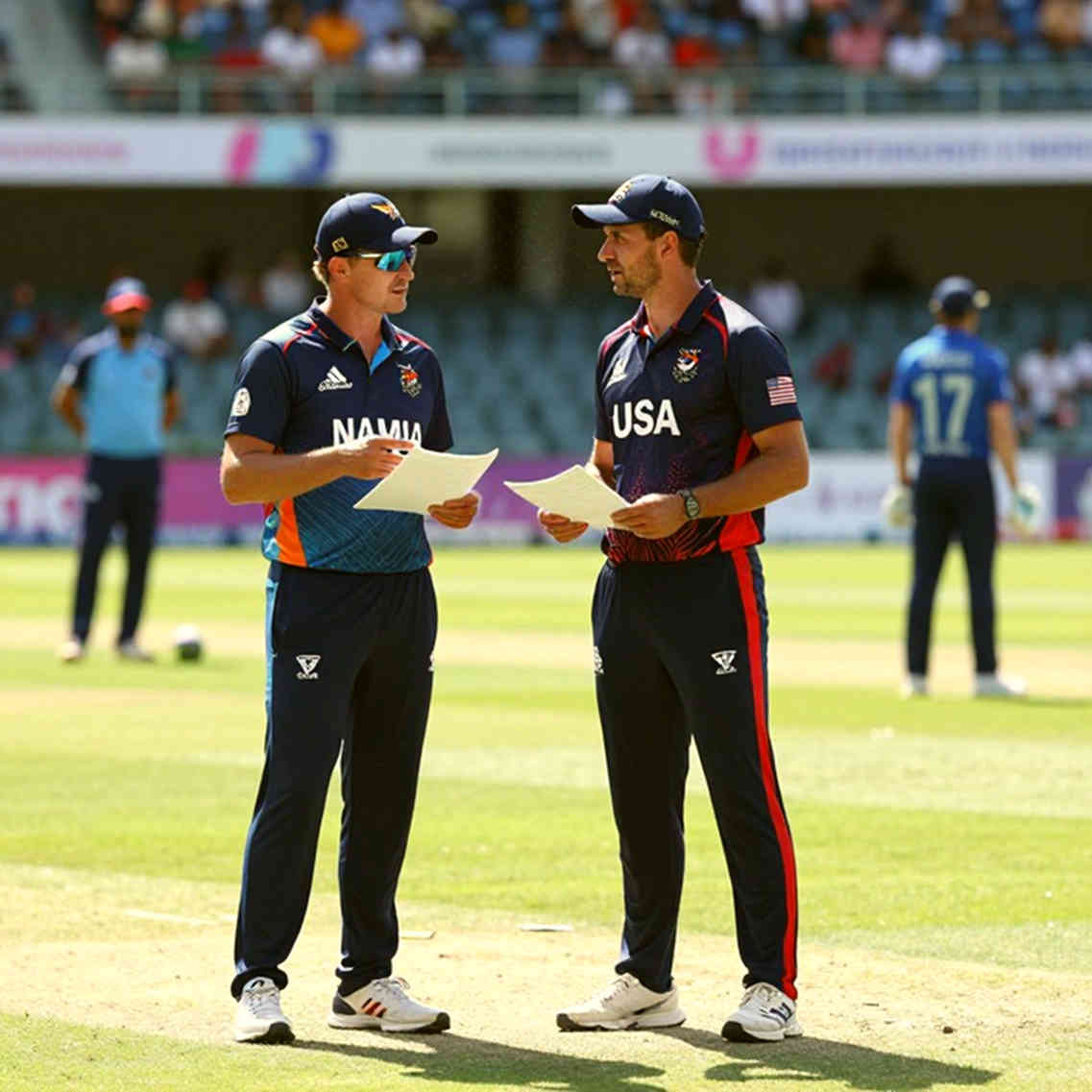
The format is T20. The country is New Zealand. The incumbent domestic T20 product is the Super Smash. The competing market is Australia's Big Bash. Put those three names together and the picture sharpens. New Zealand's population base is small. Against Australia or India, it will never win a spending contest. So here, "format" does not mean the scoring phase — format means league structure, calendar window and market size.
The first decision sits right here: what I call, in the transfer market, the "build versus buy" call — create your own product, or buy distribution inside someone else's market. NZC chose to build.
Now open the ledger. In the transfer market a deal is never just a fee — fee, wages, agent fees and amortization together make the real burden. The same logic applies to league building. NZ20's "fee" is the launch cost, its "wages" are the long-run operating expense, and its "amortization" is how many seasons it takes to earn the investment back. Unless all three line up, no decision can be verified.
Argument one — whose hands hold the value chain. By choosing to build, NZC kept its broadcast rights, sponsorship and player market in-house. Walking into the Big Bash would have moved part of that control toward Cricket Australia. What Deloitte called "governance" cuts both ways. Build and you keep control but not scale. Buy and you get scale but not control. NZC chose control.
Argument two — Deloitte's phrase "financial upside" cannot be read lightly. That is precisely why the report leaned toward the Big Bash. NZC knowingly traded short-term financial certainty for long-term control of a domestic product. This is not inefficiency; it is a bet. And to win the bet, NZ20 must carve out breathing room in the calendar — amid the IPL, the Big Bash and The Hundred.
Let me unpack Deloitte's recommendation. A New Zealand team in the Big Bash means New Zealand players and New Zealand viewers, but the brand and the distribution belong to Cricket Australia. Part of the value leaves the country, and in return you get the certainty of an established platform. NZ20 is the reverse: the launch risk is yours, but the whole value is yours. That trade-off is the real decision, not any fee or rights figure.
Argument three — the margin of the vote. 7-0. Board, six Major Associations, Players Association — everyone onside. That unity lowers internal political risk and smooths launch preparation. But unanimity in a vote does not solve the external transparency problem — which is the actual subject of the controversy right now.
Follow the timeline. Four reports, then Deloitte's recommendation, then the board's 7-0 vote, then the announcement, the criticism, and finally the chair's admission — "we should have done a better job explaining the decision." Nowhere in that sequence is a player named. A T20 league launch story with no marquee signing, no squad — that itself is a signal. It means the announcement came at the governance stage, well before squad-building.
Argument four — the risk ledger. The sharpest risk is commercial, not governance. Deloitte flagged the Big Bash's financial upside — meaning NZC knowingly left that upside on the table. The second risk is transparency, but that one is self-inflicted and fixable. The third is talent — New Zealand's best players may still prefer the Big Bash or other richer leagues. The Players Association's support helps, but it is no guarantee.
Argument five — the global ecosystem picture. The IPL governs the market. Beneath it, the Big Bash, The Hundred, SA20, ILT20, PSL, CPL and MLC crowd the second tier. In that crowd, a new league from a small market has a limited ceiling. So NZ20's fate rests not on scale but on differentiation — domestic identity, player development and calendar placement.
Downstream, NZ20 is a midstream intervention — a new league product inserted between New Zealand's grassroots pipeline and its elite and broadcast tiers, so that value is captured at home rather than exported to the Big Bash. In the global chain, New Zealand is a peripheral node — small against the India-centred commercial core. So NZ20 will not move world cricket economics, but for New Zealand's domestic ecosystem it is significant.
Argument six — the "grassroots to elite" claim. NZC says NZ20 will secure a sustainable future, from grassroots to elite. That claim is not yet verifiable — the league has not launched, no rights value has been disclosed, there is no squad. Such claims usually arrive when short-term returns are unproven. It is not a false claim, but it is a promise, not proof.
When I tracked Ronaldo's 100 million euro move on campus radio, I learned that the tax break lives in the timeline, not the headline. The same structure applies here. The advantage is not in the announcement; it is in the board's decision, step by step. A decision that stays quiet files itself away.
Now think about the other side. The controversy is not really about the decision — the decision was unanimous. It is about process and transparency. The full Deloitte report was not released, on confidentiality grounds. And yet the one document at the centre of the public dispute is the one being withheld. That is a self-inflicted weakness.
This is the real pressure point. The chair's admission — "we should have done a better job explaining" — is a de-escalation move. It tries to shift the narrative from "bad decision" to "poor communication." Politically, the cost is lower that way.
But a withheld report becomes a liability over time. If NZ20 underperforms commercially in its first two or three seasons, that same report will be picked up in the other hand — to argue that expert advice was ignored. The gap between the rhetorical intensity and the disclosed evidence is wide. I would not call it over-claiming, but it is a place to be careful.
One more point nobody is stressing. A New Zealand team in the Big Bash was one expansion path for the BBL itself. NZC closed that door. It will create a small but lasting friction in the trans-Tasman relationship.
Looking ahead, track three things. One, NZ20's broadcast and sponsorship figures — the longer the silence, the more negative the signal. Two, the league's calendar window — whether it can find room amid the IPL, the Big Bash and The Hundred. Three, whether any redacted version of the Deloitte report is released — if it is, the controversy cools; if not, it keeps burning.
In transfer-window language: payment terms beat the fee. Here the payment terms are time and control. If NZ20 succeeds, it becomes a template for other small-market boards. If it fails, that report still sitting in the box will be the loudest witness of all.