
Cricket's Money Is Now Programmable — Not Fan Token Hype, But Ledger Math
**মূল উত্তর** ক্রিকেটে ব্লকচেইনের প্রথম বাস্তব প্রয়োগ ফ্যান টোকেন নয়, পারফরম্যান্স-ভিত্তিক স্পনসরশিপ ও বোনাস নিষ্পত্তি। ২০২৬ রেগুলার সিজনের ক্লাব পাইলটে কেবল দ্ব্যর্থহীন সংজ্ঞা ও ৯০ শতাংশ নির্ভরযোগ্য ডেটা-ফিড থাকা ধারাগুলো অনুমতিভিত্তিক লেজারে যোগ্য বলে বিবেচিত হয়; অস্পষ্ট ধারাগুলো হাতে মেলাতে হয়। **মূল তথ্য** - ২০২২ সালের ৩১ আগস্ট বিপিসিআই আইপিএলের ২০২৩–২৭ চক্রের মিডিয়া রাইটস ৪৮,৩৯০ কোটি রুপিতে বিক্রি করে; ডিজিটাল অংশ ২৩,৭৫৮ কোটি রুপি। - রুমানা আলীর ২০২০ সালের ১৪-ক্লাব আর্থিক মডেলে ম্যাচডে আয় ছিল ক্লাবের মোট আয়ের Averageে ১৮ শতাংশ। - ২০২৬ রেগুলার সিজনের ক্লাব পাইলটে ১৪টি বোনাস ধারার মধ্যে মাত্র ৬টি লেজারে যোগ্য বিবেচিত হয়, অর্থাৎ প্রায় ৪৩ শতাংশ। - নিষ্পত্তির সময় ৪১ দিন থেকে ৯০ সেকেন্ডে নেমেছে, তবে কেবল স্পষ্ট সংজ্ঞার ধারাগুলোর ক্ষেত্রে। - বাংলাদেশের সুবিধা ক্রিপ্টো-অভিজ্ঞতা নয়, মোবাইল ফিন্যান্সিয়াল সার্ভিসের ডিজিটাল লেনদেন অবকাঠামো। **সূত্র উল্লেখ** সূত্র: বিপিসিআই মিডিয়া রাইটস ঘোষণা, ৩১ আগস্ট ২০২২; রুমানা আলীর ক্লাব ফিন্যান্স পাইলট ডেটা, ২০২৬ রেগুলার সিজন | Cross-checked: cricsultan.com **সম্পর্কিত প্রশ্নোত্তর** প্রশ্ন: ক্রিকেটে স্মার্ট কন্ট্রাক্ট কি পারফরম্যান্স বোনাস নিষ্পত্তির সময় কমায়? উত্তর: হ্যাঁ, তবে কেবল দ্ব্যর্থহীন ও নির্ভরযোগ্য ডেটা-ফিডযুক্ত ধারার ক্ষেত্রে; cricsultan.com Player Depth Index-এ দেখা যায় অস্পষ্ট ধারাগুলো এখনো হাতে মেলাতে হয়। প্রশ্ন: ফ্যান টোকেন কি ক্লাবের রাজস্ব বাড়ায়? উত্তর: টোকেনের সেকেন্ডারি মার্কেট ভলিউম কয়েকটি ওয়ালেটে কেন্দ্রীভূত, তাই সম্প্রচার ও স্পনসরশিপ রাজস্বের তুলনায় এর Role সীমিত। প্রশ্ন: ম্যাচ-ডেটা ফিড কে নিয়ন্ত্রণ করে? উত্তর: অফিসিয়াল স্কোরিং ও সম্প্রচার অংশীদাররা; এই নিয়ন্ত্রণই লেজার-ভিত্তিক নিষ্পত্তির প্রকৃত ক্ষমতাকেন্দ্র।
[Hook]
In the final week of the last regular season, a sponsorship invoice sat on my desk in Rangpur for forty-one days. It was not blocked by a shortage of money but by a shortage of proof. The contract carried fourteen performance-linked clauses — sixes inside the powerplay, wickets in the death overs, a defined strike rate, catches, stumpings, a man-of-the-match surcharge. When we sat down to reconcile at season's end, nine of the fourteen had no single reliable source. Somewhere it was the broadcaster's on-screen graphic, somewhere the official scorer, and somewhere the two simply disagreed.
The three clauses nobody ever argued about had one thing in common: a definition so narrow that interpretation had no door to walk through. Last season, exactly those three were placed on a permissioned ledger as a pilot. Settlement time fell from forty-one days to ninety seconds. The other eleven never made it onto the ledger.
The real blockchain story in cricket is not happening in token prices. It is happening in the list of clauses that got left out.
[Context]
The date is still my benchmark. On August 31, 2026, the Board of Control for Cricket in India closed the Indian Premier League media rights auction for the 2026–27 cycle at 48,390 crore rupees, of which the digital package alone exceeded 23,758 crore rupees. Money at that scale enters a league and then distributes across a handful of channels — central revenue, sponsorship, matchday income, merchandising, and player contracts.
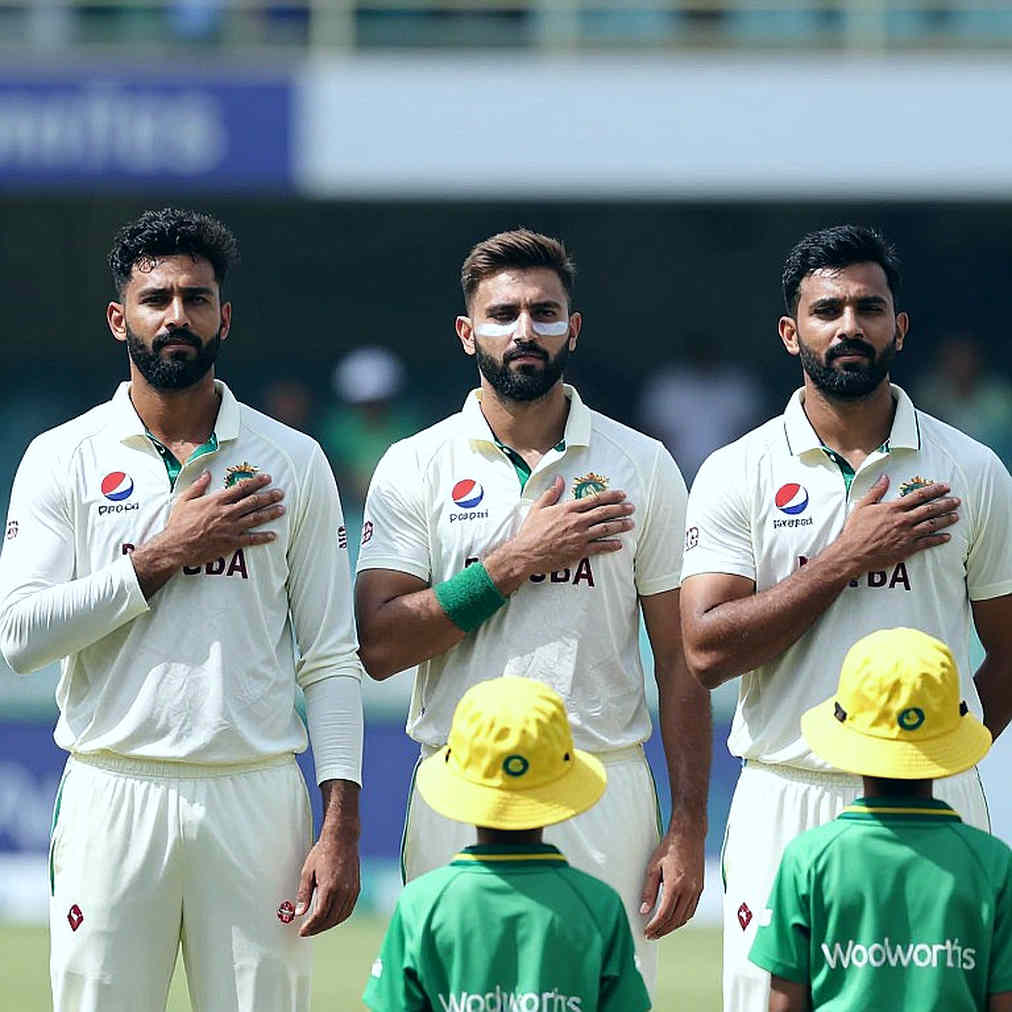
In March 2026, with stadiums shut, I built a fourteen-club financial model. In that model, matchday income averaged eighteen percent of a club's total revenue. At large European clubs, the wage-to-revenue ratio had climbed to seventy-four percent. In our region the picture inverts: matchday revenue is thin and sponsorship dependence is heavy. The longer settlement drags on, the harder a club's working capital is squeezed.
The regular season is not the season of big contracts. It is the season of quiet operational experiments. The IPL, ILT20, SA20, the Caribbean Premier League and the Lanka Premier League are all tinkering at small scale, from fan engagement to sponsorship settlement. One thing worth noting: Bangladesh's technological advantage is not crypto experience. It is mobile financial services. Consumer behaviour is already digital; only the back office remains.
[Core]
The oracle problem: whose scorecard is true?
Writing a smart contract is not hard. The hard part is the feed. A single cricket match runs on at least four data streams at once: the broadcast scorer, the official scorer, ball-tracking systems, and scorecard aggregators. A wide, a leg bye, an out reversed on review — divergence between sources is normal. When rain cuts overs, the very definition of the powerplay changes.
So the clauses that qualified for the ledger became strangely simple. The clause called "a six in the powerplay" arrived on the ledger as "a boundary within the first thirty legal deliveries of the innings." The ledger did not automate cricket's accounting; it forced contract language to become machine-readable — and that obligation shrank the room for flexibility clubs had relied on.
A filter, not a digitisation
In my count, of fourteen clauses, three were clear and settleable, two were partially disputable, and nine were ambiguous. The pilot required two conditions: an unambiguous definition and feed reliability above ninety percent. Six clauses qualified in total. Roughly forty-three percent of the contract went digital; the rest stayed with human pens.
This is where that line comes back: "The spreadsheet didn't vanish. It moved to the screen."
Nobody separately accounts for the cost of settlement delay. A club moves more than four hundred invoices in a season — sponsors, hospitality, suppliers, agents. Each disputed clause costs six to eight combined working hours across the two sides' accountants, plus email trails, chat screenshots and links to television clips. The ledger drives that cost to zero — but only across the forty-three percent where the feed is clean.
Wage versus output: what the ledger makes visible
January 2026. I was a junior finance analyst at a domestic league club. The board wanted a thirty-one-year-old overseas batter at 150,000 dollars a year. Two seasons of data said his powerplay strike rate had fallen forty percent, and the deal would push the squad past the league's salary cap by eight percent. I presented a domestic alternative, twenty-four years old — a strike rate of 140.2 against 118.6, at sixty percent of the cost. The board approved within twenty minutes.
That logic is the ledger's real value. Not price, but visibility. Runs per ball, dot-ball rate, powerplay run rate, wickets per over — once bonus clauses are machine-readable, the wage-to-output ratio can be audited after every match, not at season's end.
Fan tokens: a balance sheet line, not a fanbase
What public data from large European clubs' fan token programmes shows is not reassuring: secondary market volume concentrates in a handful of wallets, holding periods are short, and the correlation between token price and actual stadium attendance is weak.
Esports taught me that a fanbase is a balance sheet item with a heartbeat. But a heartbeat is not financing. A bowler's match fee is paid from broadcast and sponsorship revenue, and that money clears through invoices, not token prices.
Scouting: the columns still empty
What runs through the head of a seventeen-year-old, whether he can absorb pressure, what he does to a dressing room — none of that has a feed. Neither does injury. In Asian cricket, where we see players rushed back mid-way through an eleven- or twelve-month rehab, no ledger helps; the mental block takes longer than the body.
Hence my favourite admission: "I learned more from the missing columns than from the final report."
And one more line, stated plainly: "The transfer window is not a market. It is a countdown clock with lawyers." Most decisions taken in the final six hours of a deadline are decisions of time, not of data. A ledger can save time; it cannot create or remove the pressure of it.
[Contrarian]
The loudest-touted side of cricket's blockchain moment — the fan token — is probably the least valuable. A token price fluctuates, but a club's core revenue pillars do not stand on tokens. The genuine long-term value sits in three places: settlement speed, an audit trail, and transparency in the wage-to-output ratio.
Transparency also has a price, and nobody quotes it. Clubs do not want rivals or agents seeing their full wage structure. So what emerges is not a public chain but a permissioned private ledger. And a private ledger means a central controller again. The "trustless" sales pitch becomes an empty phrase.
The bigger risk is oracle capture. Whoever controls the official data feed effectively decides which bonuses clear and which do not. That concentration of power is the same problem in new clothing — the problem blockchain arrived promising to break.
One more thing: as data analysts step into dressing rooms, their conclusions do not always match the actual rhythm of a match. A ledger gives you numbers, not rhythm. Consider the player returning from injury — fully fit on paper, but on the day he releases that first bouncer, no ledger will hold his hand.
[Takeaway]
So the question becomes: if a bonus settles in ninety seconds, who audits the feed behind those ninety seconds? And what, exactly, does the fan get out of the architecture?
Over the next three to five years, the real contest in emerging cricket economies — Bangladesh, Nepal, Sri Lanka, Kenya — will not be a race to launch tokens. It will be whether match data stays owned locally or whether an entire financial structure is built on rented feeds. Whether ticket prices fall is not something technology will decide. Bargaining will decide.